
This Article was written by Jo Whiting, originally written on July 26.
Bwana Yesu Asifiwe! God is good, al the time; all the time, God is good.
We have talked in this newsletter the last few weeks about what we do for the eight weeks we are in Iringa TZ, about the partnership between the Iringa Diocese of the Evangelical Church in Tanzania and the St. Paul Area Synod of the ELCA, and about Bega Kwa Bega (BKB), the partnership’s organization for which we volunteer. This week we thought you might be interested in our lifestyle while we are here.
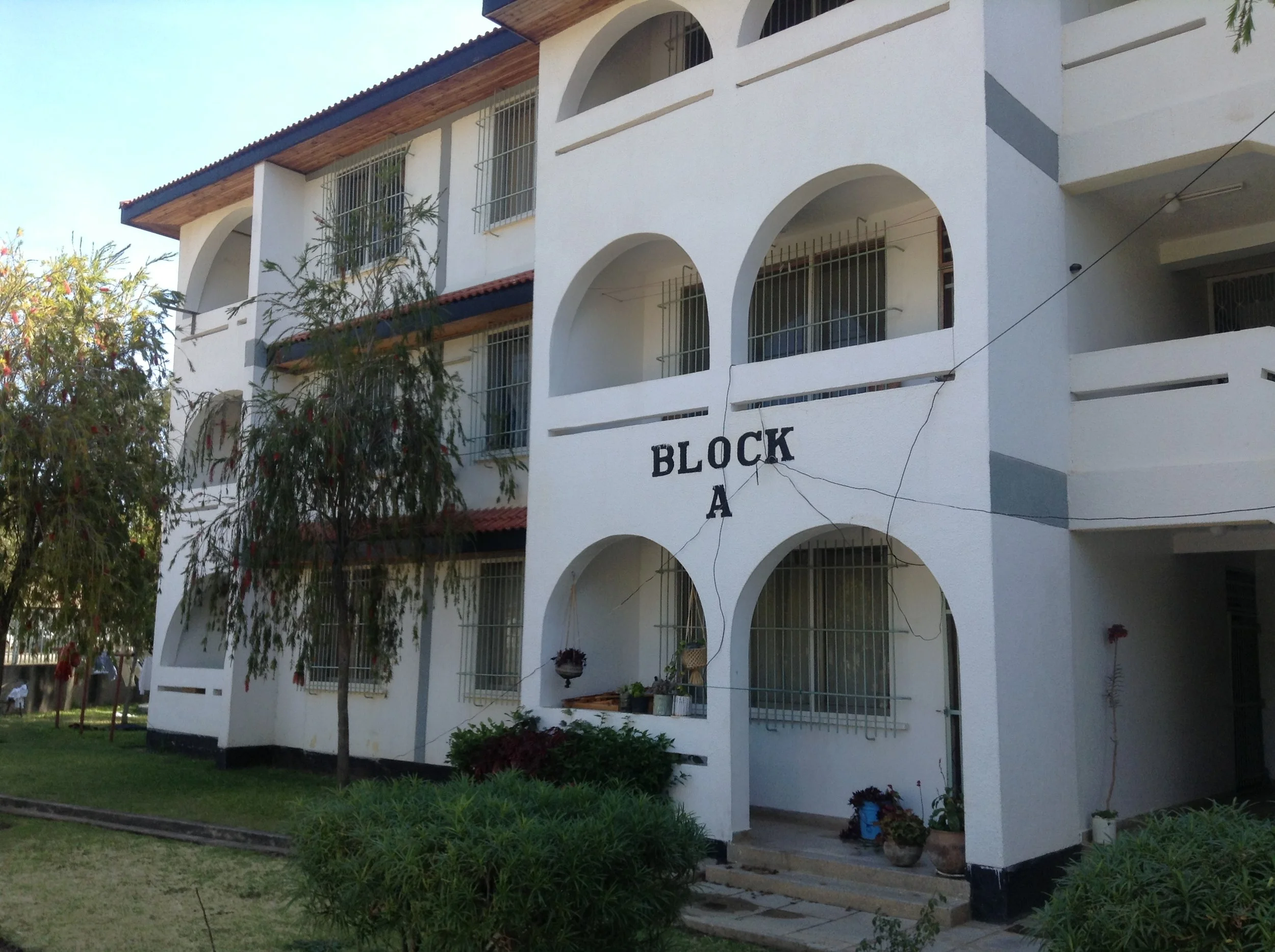
First—the weather, especially after the summer you’ve had there. It is winter here, as we are south of the equator, though only by a few degrees, and Iringa is at an altitude of almost 6,000 feet. The weather result: in June, July, and August, it is just delightful. Every day is 72-77 degrees, very low humidity, mostly clear blue skies. Evenings are actually quite chilly, at 45-55 degrees. Our apartment has no HVAC system and is made of concrete, which holds the cold—so a sweater is comfortable inside even in the daytime and necessary in the evening. Outside during the day is summer gorgeous.
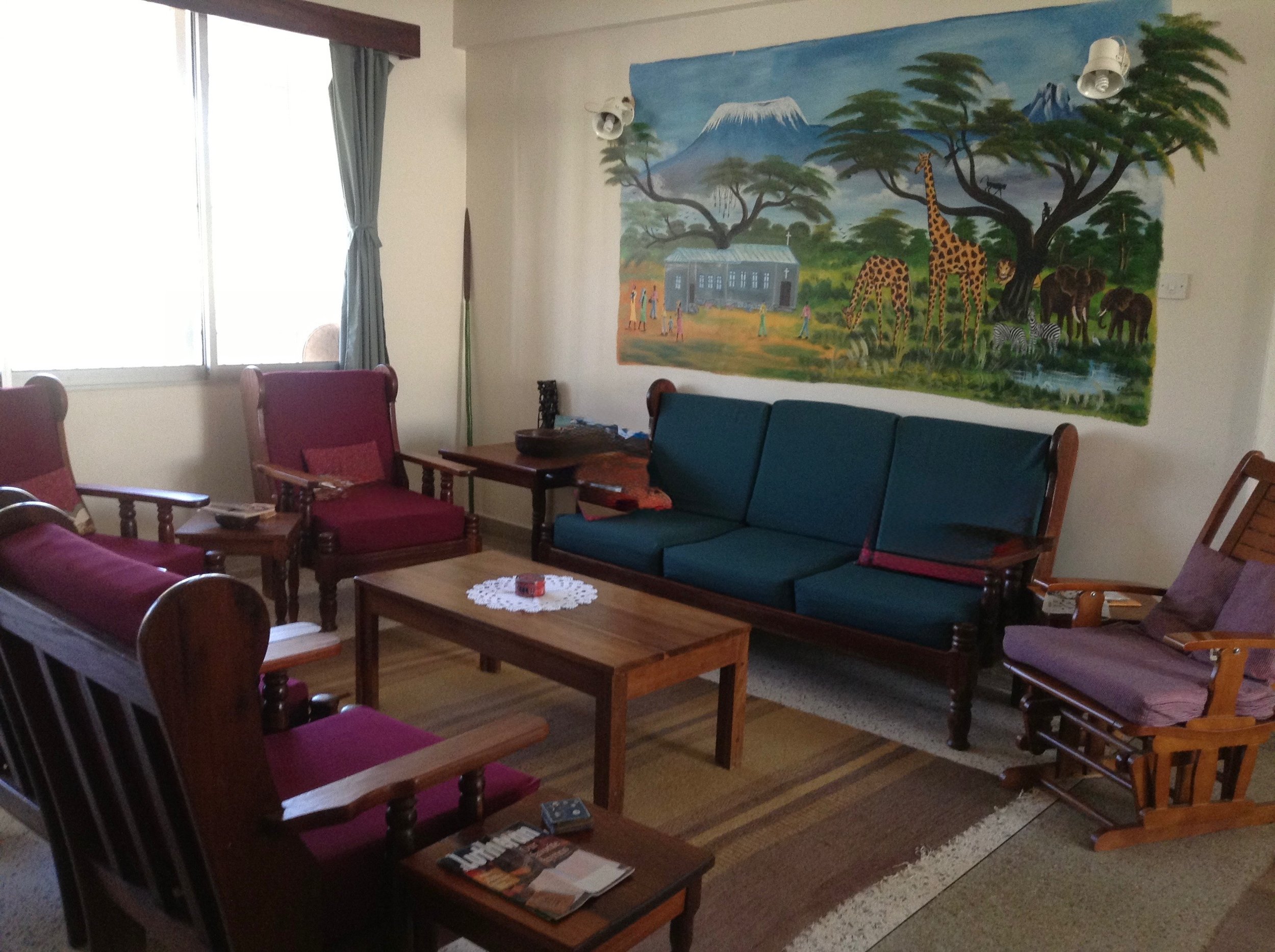
We have use of a very nice, large, “modern” apartment that is rented by BKB as its office and coordinator housing. The apartment has a large living room, a dining room, a fully equipped kitchen (with gas stove, frig, and microwave), an office, three bedrooms, and two full bathrooms. We have a housekeeper three days a week; Mariam has been working for BKB for almost 20 years so she knows the place and how things work inside and out. She cleans, does laundry (by hand—and irons it all!), washes the dishes, and best of all answers our questions and helps us with Swahili.
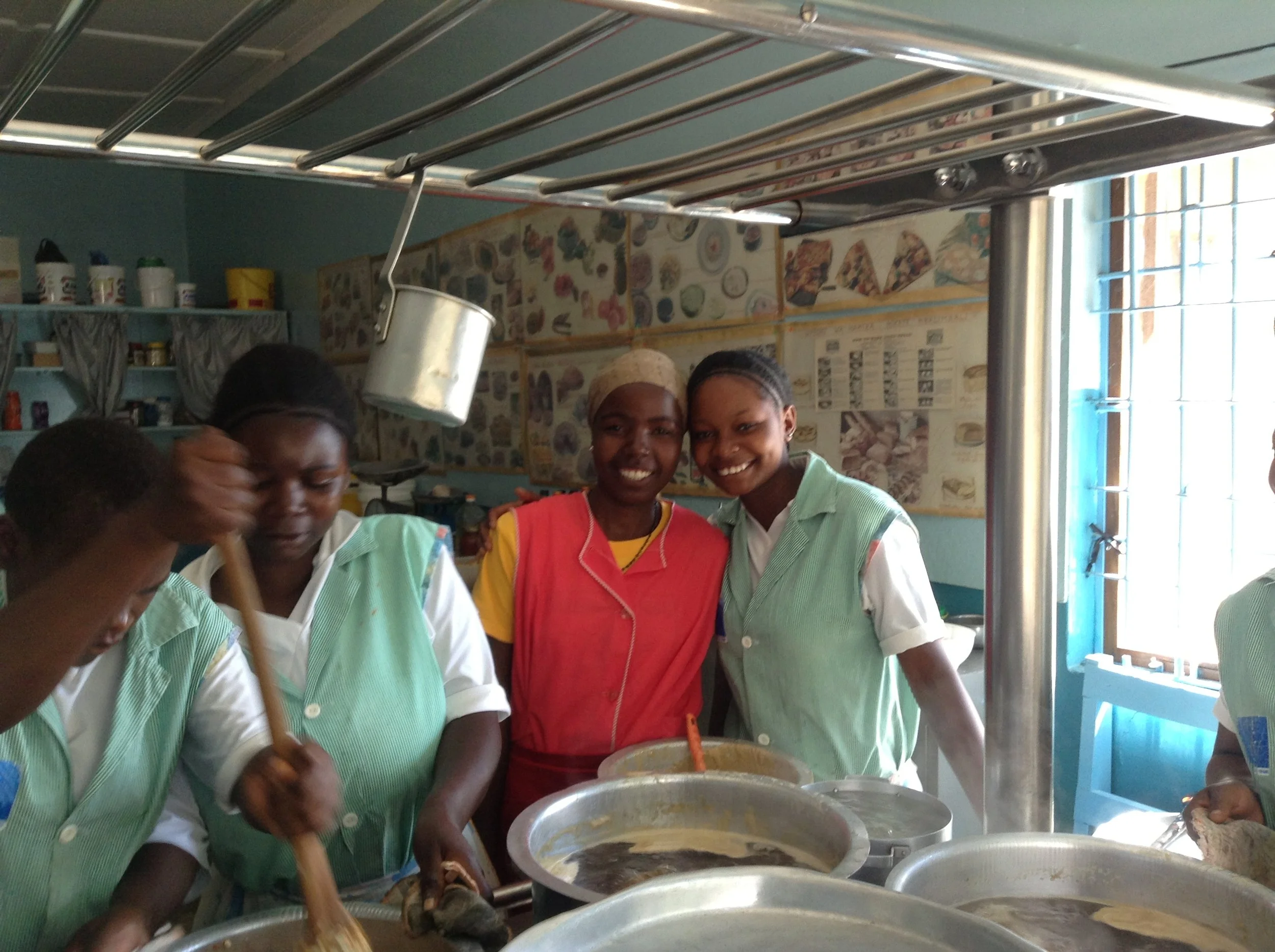
There are several restaurants in Iringa where we eat, either with a visiting group or on our own. The Lutheran Centre, across the street from us, is the bed and breakfast inn where groups from the US stay when they come to visit their partner parishes. Luciano is the primary cook there, and he can whip up a delicious lunch or dinner if we ask him to. There is a new small outdoor duka (shop) just half a block away that serves a yummy chips mayai (French fry omelette) and fresh juice (I like the mango; Russ likes the passion fruit). There is an Arab coffee shop with really good coffee, great snacks, and camel’s milk drinks! (The camels are on a dairy farm near the airport). There is a hotel built on one of the hillsides near us with a Sunset Bar— breathtaking sunsets and delicious food. There is Neema Crafts Porch Cafe, in the amazing and wonderful center that employs and cares for disabled folks and where all the cafe employees are deaf. And then there is Mama Iringa’s, probably our favorite—a legit Italian restaurant owned and operated by an Italian expat woman. It is lovely and the food is delish (pizza comes from its wood-fired pizza oven). Her pasta dishes are made with fresh pasta from the cooking school run by nuns from the Catholic diocese.
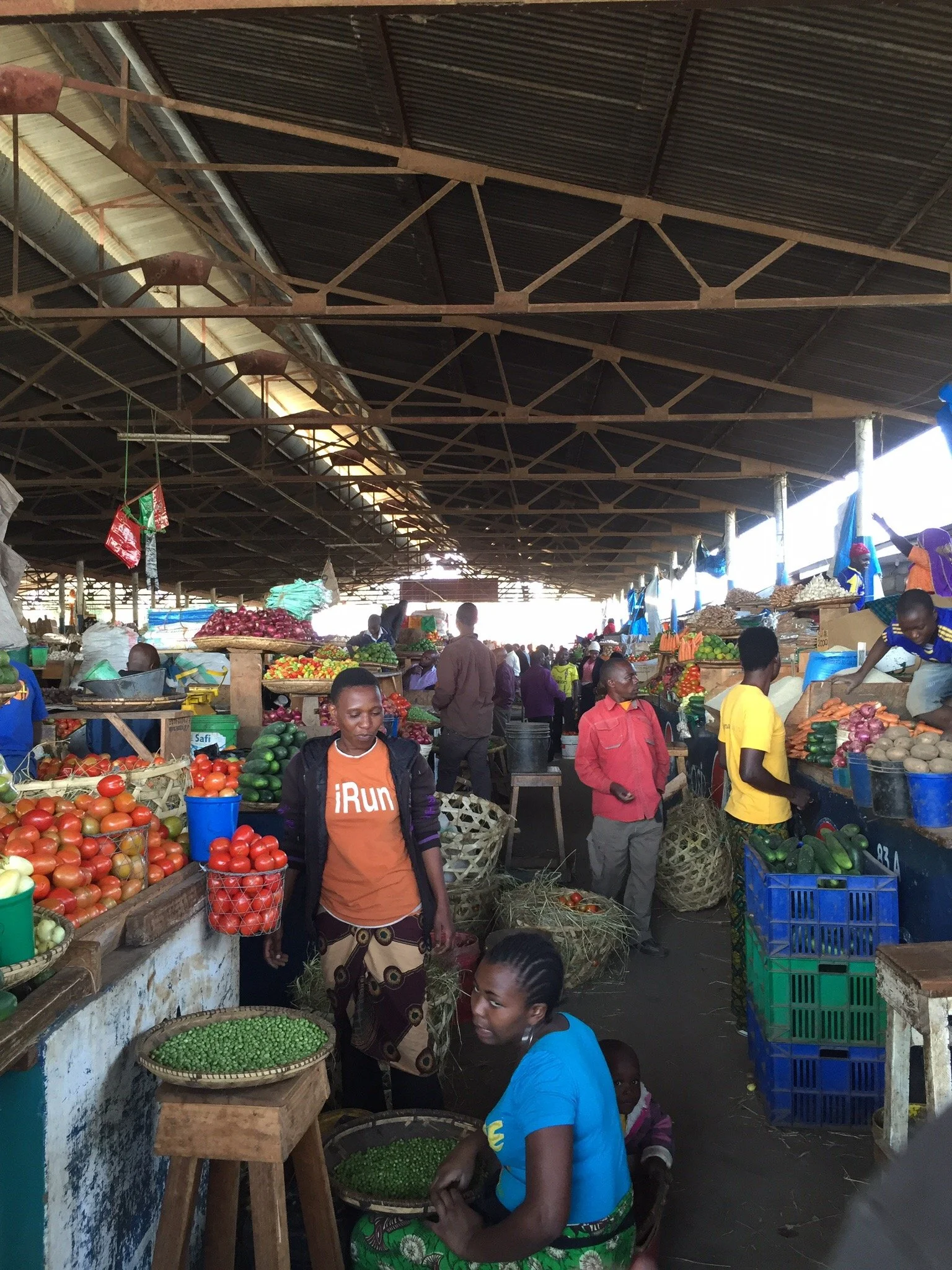
We do cook for ourselves often, also. We buy pasta and tomato sauce from the cooking school and fruits and vegetables from the open market (two football fields in length!) in the center of town. There is a very good Arab butcher shop for beef and chicken— no pork, of course. And we have a few small grocery stores where we can buy the staples necessary to cook a basic lunch or dinner. Spices are plentiful and Africafe coffee is possibly the best instant coffee anywhere.
We have a vehicle at our disposal for our work when we drive to parishes and schools. It’s a heavy duty Land Cruiser that can handle the rough and mountainous roads. Sometimes Russ drives (Jo has infrequently) and sometimes we have a driver from the diocese. We usually have a translator along also. And we have some “extra-curricular” plans from time to time. Jo attends a Bible Study group on Thursday mornings when possible. It is held at the home of a British woman who has lived in Tanzania her whole life and has a beautiful home just up the hill from us. A couple weeks ago there were six women attending, from six different countries! We also often go to Kibebe Farm on Saturday afternoons. It’s a huge farm a few kilometers outside of Iringa, owned by British expats whose family has farmed the land for a couple generations. (Think “Out of Africa.”) They host a big and very competitive volleyball game every week, with coffee and tea, and every week the make-up of attendees is different but with some mix of ex-pats, foreign visitors, and Tanzanians playing and chatting.
And yes, we can safari from here. In fact, we have just returned from three days/two nights at the Mwagusi Safari Camp in the Ruaha National Park, the largest in East Africa. Granddaughter Grace and her mother Julie have been visiting us for a couple weeks and we had a glorious visit to the park. Just on the morning we left we saw lions, elephants, giraffe, hippos, cape buffalo, baboons, and more.
We know this all sounds exotic and exciting. And it is! It’s also challenging to be so far from home and in an environment that is so different from what we are used to. But the bottom line is that we are grateful for our time here, for the friends we have made, for the contributions we can make to the meaningful BKB partnership, and for the insights we have gained from people living half way around the world.
Russ Hilliard & Jo Whiting